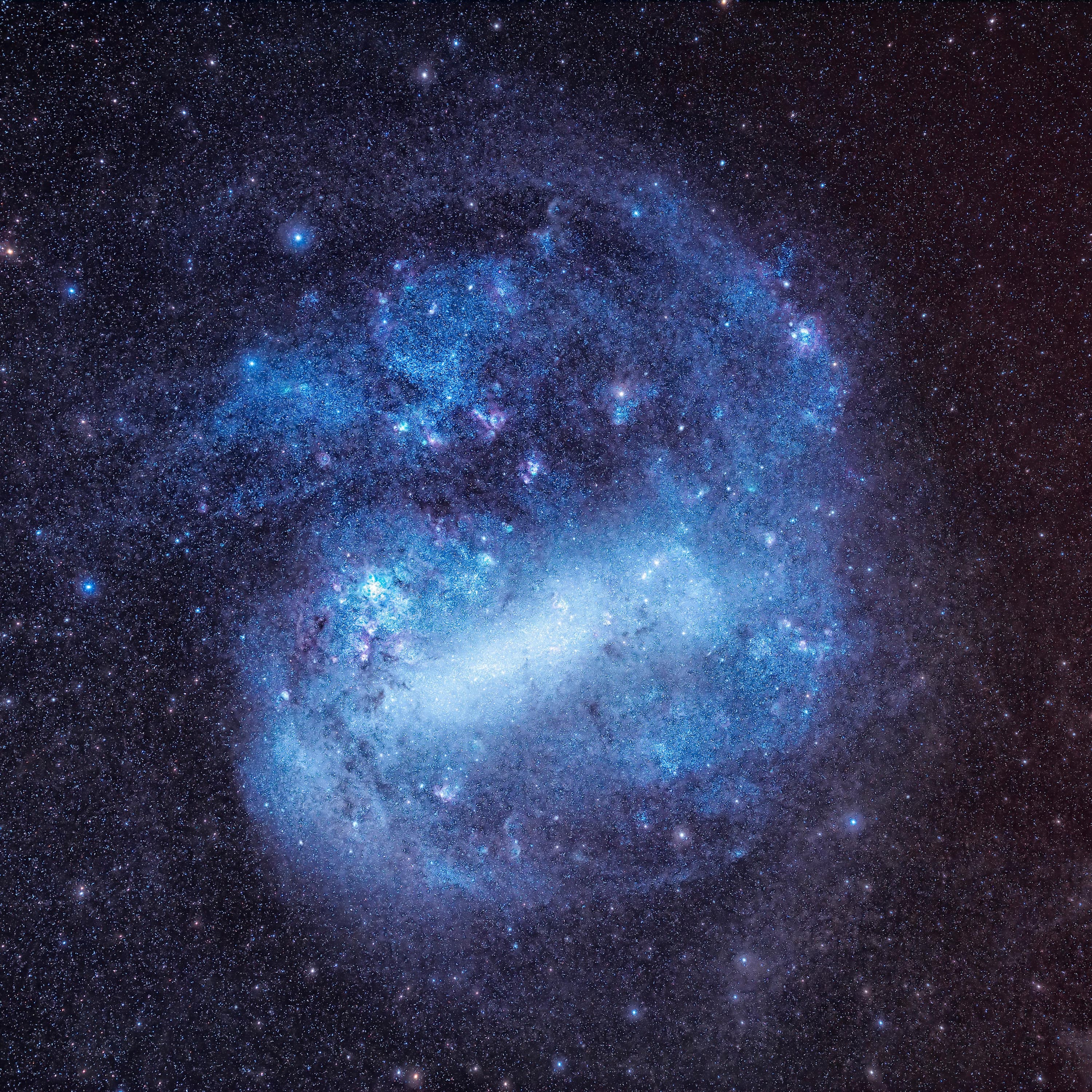
What does it mean to be alive? Paul Nurse on defining 'life'

Loading player...
Is it possible to define the biological, chemical and physical functions that separate cells, plants and even humans from inanimate objects? In his new book, Paul Nurse, Nobel prize winner and director of the Francis Crick Institute, addresses a question that has long plagued both philosophers and scientists – what does it really mean to be alive? Speaking to Madeleine Finlay, Paul delves into why it’s important to understand the underlying principles of life, the role of science in society, and what life might look like on other planets. Help support our independent journalism at theguardian.com/sciencepod
22 Sep 2020 English United Kingdom Science · Nature

Other recent episodes

What is a food intolerance, and how do you know if you have one?

Social media is awash with content about food intolerances and the symptoms to look out for. But figuring out whether you actually have one, and what’s triggering it, is surprisingly difficult. One avenue people are gravitating towards is at-home testing. Madeleine Finlay sits down with health and lifestyle journalist Rebecca…
28 Apr 17 min

Mythos: are fears over new AI model panic or PR?

Earlier this month the AI company Anthropic said it had created a model so powerful that, out of a sense of responsibility, it was not going to release it to the public. Anthropic says the model, Mythos Preview, excels at spotting and exploiting vulnerabilities in software, and could pose a…
21 Apr 15 min