The science of healthy eating: Why are we still getting it wrong?

Loading player...
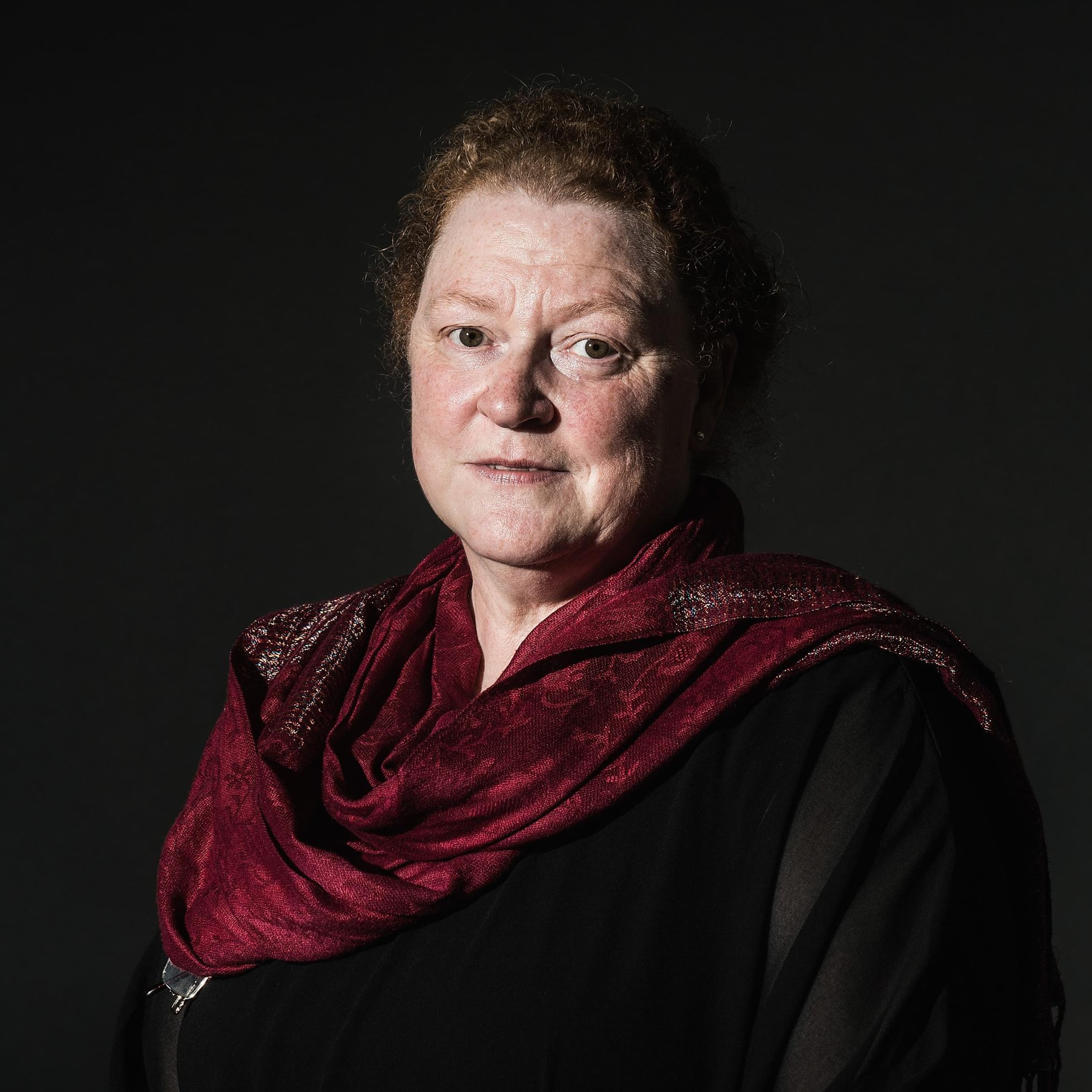
According to a recent study, obesity increases the risk of dying of Covid-19 by nearly 50%. Governments around the world are now hoping to encourage their citizens to lose weight. But with so much complex and often contradictory diet advice, as well as endless food fads, it can be hard to know what healthy eating actually looks like. How many pieces of fruit and vegetables should you eat a day? Will cutting out carbs help you lose weight? Is breakfast really the most important meal of the day? Speaking to Tim Spector, professor of genetic epidemiology at King’s College London about his new book Spoon-Fed, Madeleine Finlay asks why we’re still getting food science wrong, and explores the current scientific evidence on snacking, supplements and calorie labels. Help support our independent journalism at theguardian.com/sciencepod
1 Sep 2020 English United Kingdom Science · Nature

Other recent episodes

Perimenopause is everywhere. How do you know if you’re in it?

Perimenopause has become a hot topic, with celebrities sharing their experiences and doctors offering tips and advice online. But despite the benefits of growing awareness, a rising number of women are now encountering misinformation about treatments such as HRT. Madeleine Finlay hears from Dr Paula Briggs, a consultant in sexual…
27 Oct 15 min

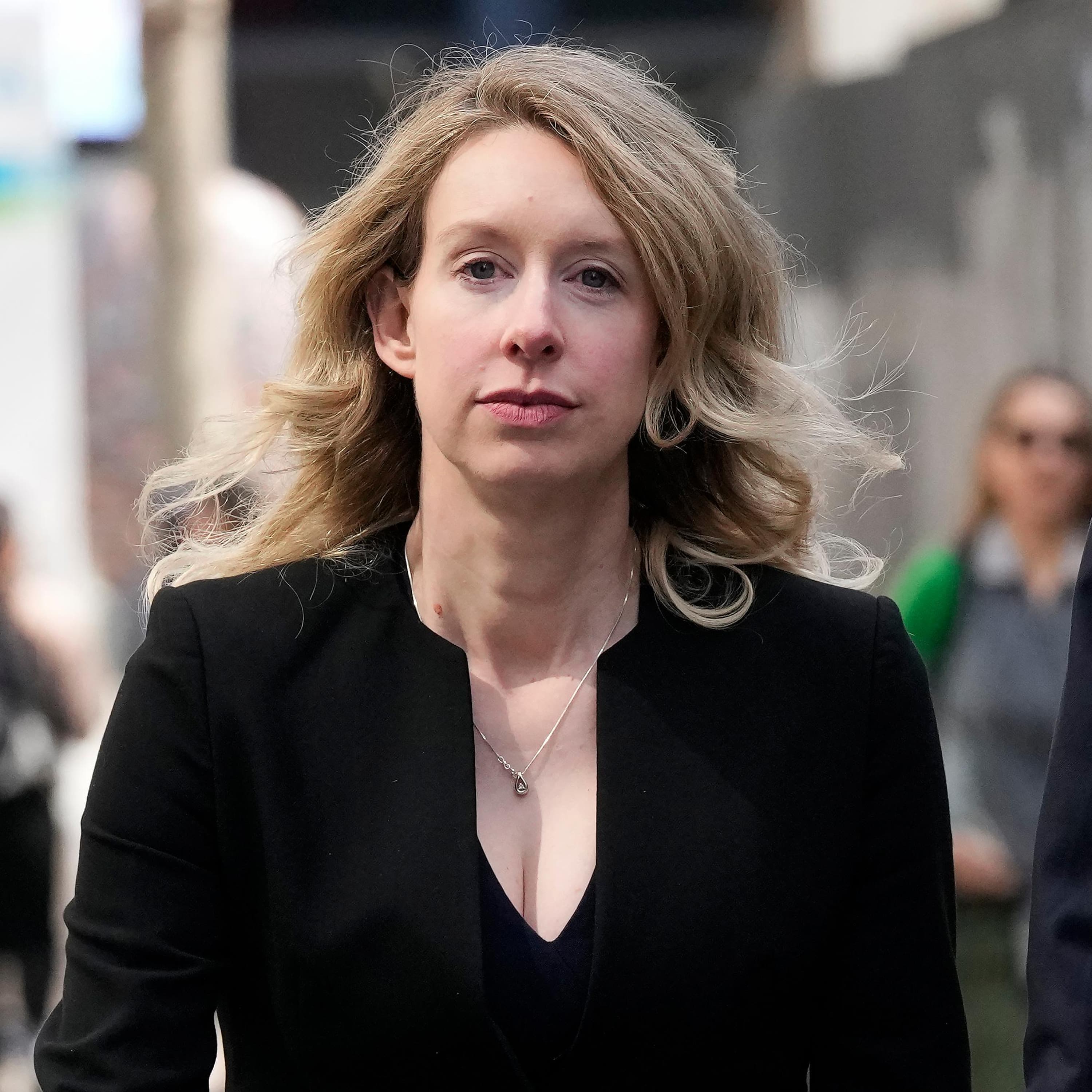
Elizabeth Holmes is back in the spotlight: why can’t we look away?

You Can See Everything, a documentary about the disgraced biotech company founder Elizabeth Holmes, has enjoyed a record-breaking opening in the US. It is a testament to how fascinated we remain by the convicted fraudster, but what is behind the enduring appeal? US technology editor Blake Montgomery tells Madeleine Finlay…
22 Oct 17 min

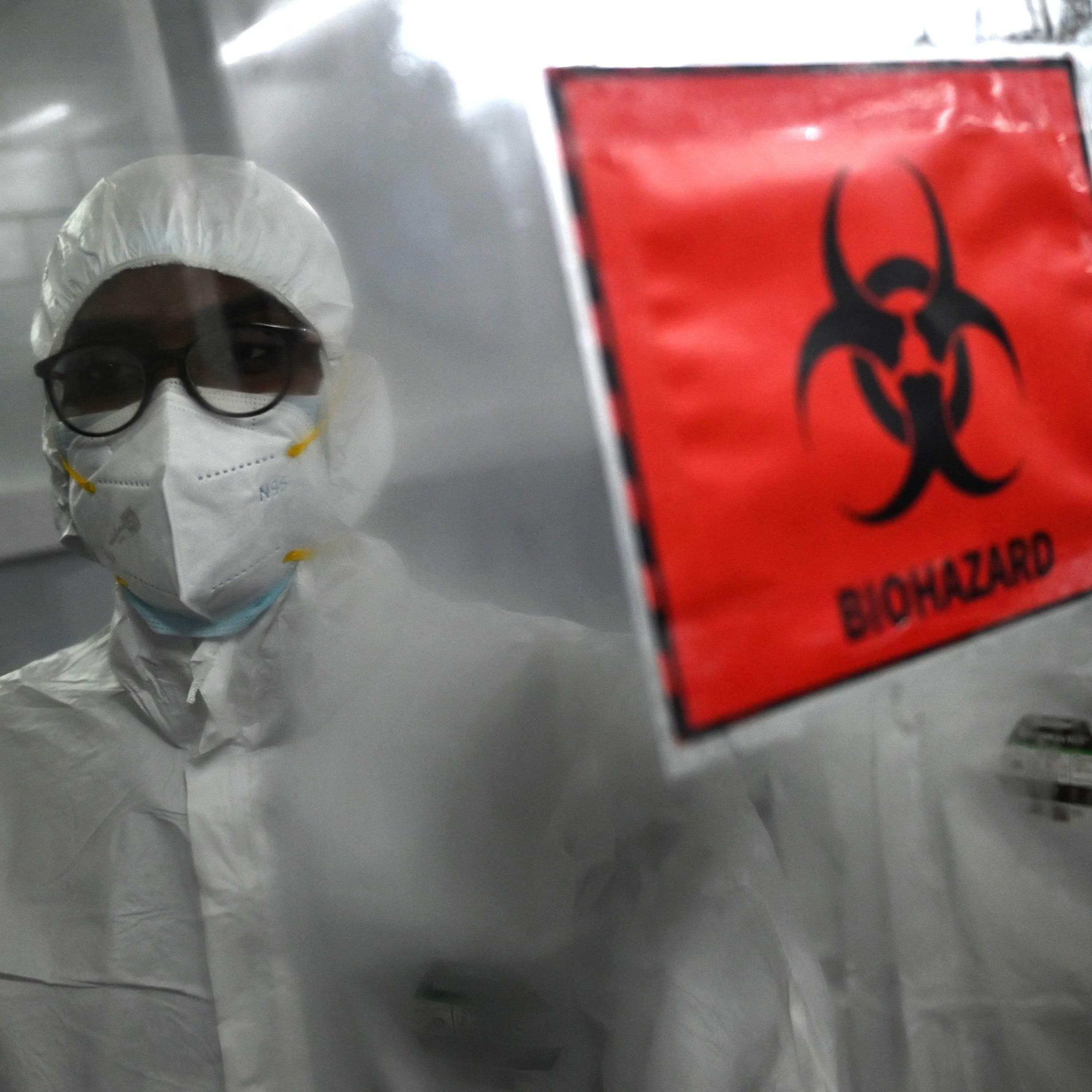
‘These risks are real’: the threat of AI bioweapons

In his annual speech on threats to the nation, Sir Ken McCallum, the head of the UK’s intelligence service, MI5, warned that AI had the potential to ‘change the stakes’ on existing and even new bioweapons. To find out why, and how, Ian Sample speaks to Dr Tom Inglesby, director…
20 Oct 15 min

Is your boss watching you? The rise of AI surveillance at work

Workers have always been monitored by their bosses, first through output targets, and then via computer software labelled ‘bossware’. But AI is transforming the capabilities of these systems, processing huge volumes of data to provide minute-by-minute accounts of activity, and productivity. To find out more, Ian Sample hears from UK…
15 Oct 17 min