Could a prescription of surfing help with depression?

Loading player...
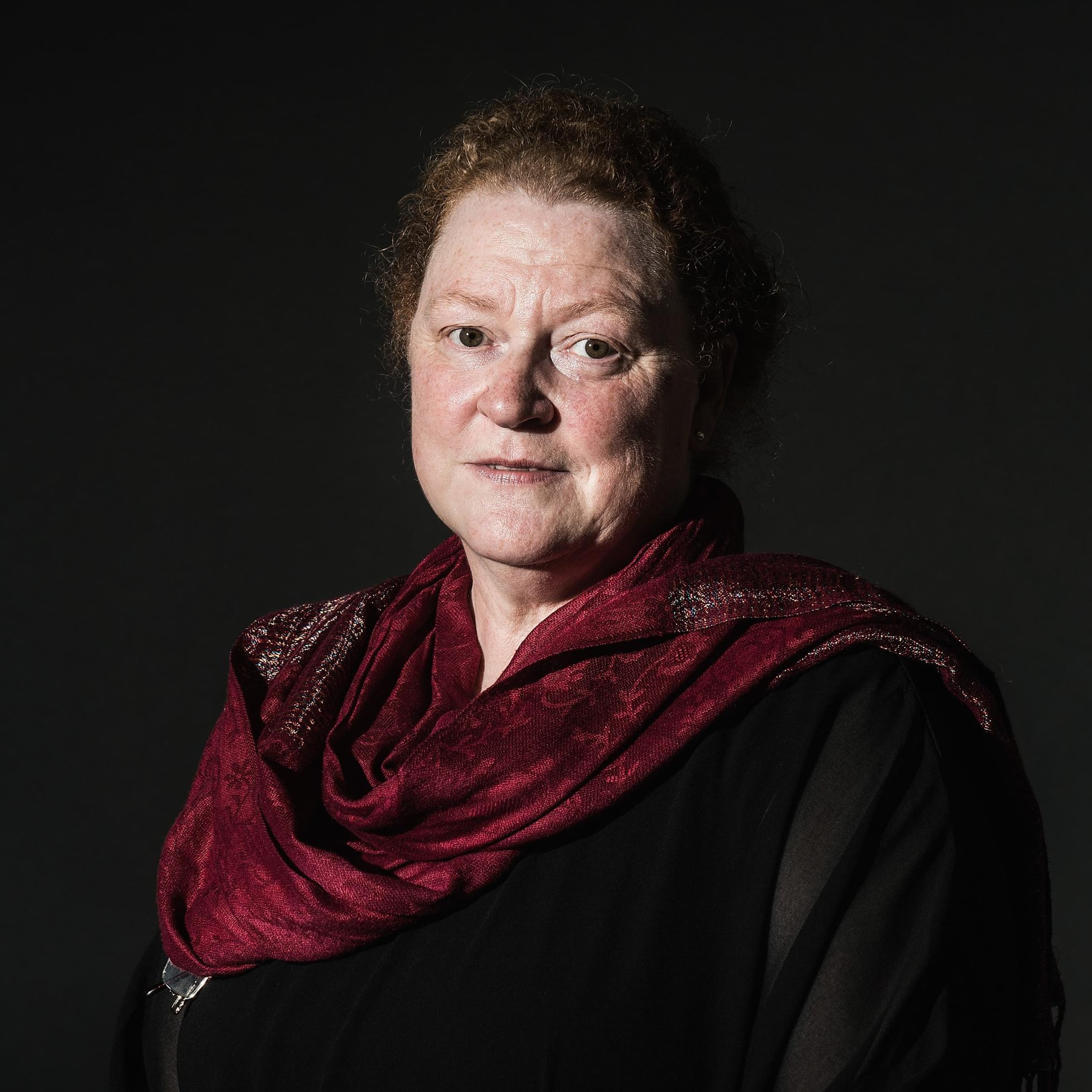
A new trial is exploring if prescriptions of surfing, gardening and dance classes can reduce anxiety and depression in people aged 11 to 18. NHS mental health trusts in 10 parts of England will use a range of sports, arts and outdoor activities with 600 young people to see if it can stop conditions worsening while the sufferers are on waiting lists for care. This kind of support is known as ‘social prescribing’, allowing health professionals to refer patients to a range of community groups and organisations. But while social prescribing programmes are being rolled out around the world, a recent review has found scant evidence of their effectiveness. Madeleine Finlay speaks to Prof Susan Smith about the ideas behind social prescribing, its potential benefits for those with complex issues, and why more studies are urgently needed. Help support our independent journalism at theguardian.com/sciencepod
1 Nov 2022 English United Kingdom Science · Nature

Other recent episodes

Perimenopause is everywhere. How do you know if you’re in it?

Perimenopause has become a hot topic, with celebrities sharing their experiences and doctors offering tips and advice online. But despite the benefits of growing awareness, a rising number of women are now encountering misinformation about treatments such as HRT. Madeleine Finlay hears from Dr Paula Briggs, a consultant in sexual…
27 Oct 15 min

Elizabeth Holmes is back in the spotlight: why can’t we look away?

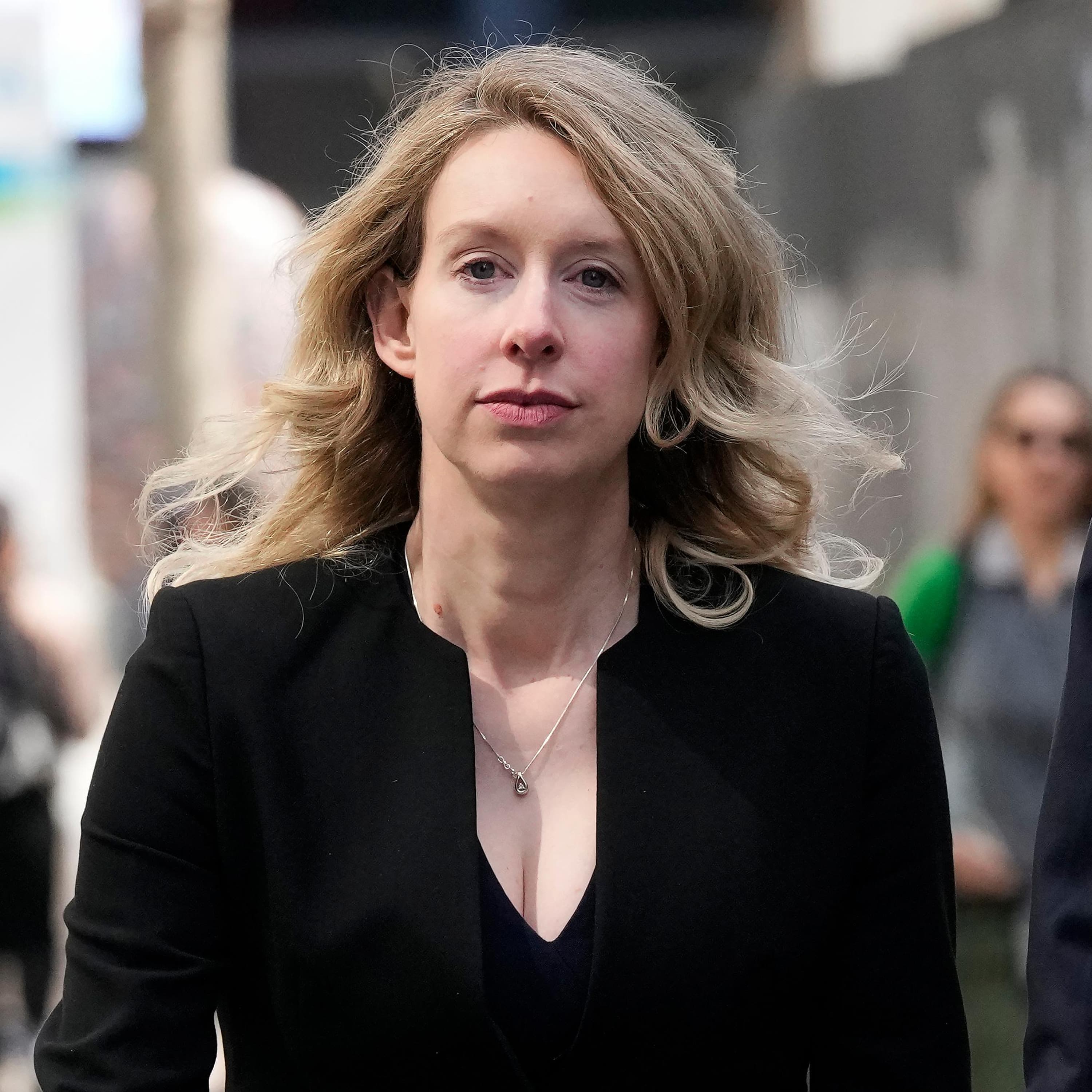
You Can See Everything, a documentary about the disgraced biotech company founder Elizabeth Holmes, has enjoyed a record-breaking opening in the US. It is a testament to how fascinated we remain by the convicted fraudster, but what is behind the enduring appeal? US technology editor Blake Montgomery tells Madeleine Finlay…
22 Oct 17 min

‘These risks are real’: the threat of AI bioweapons

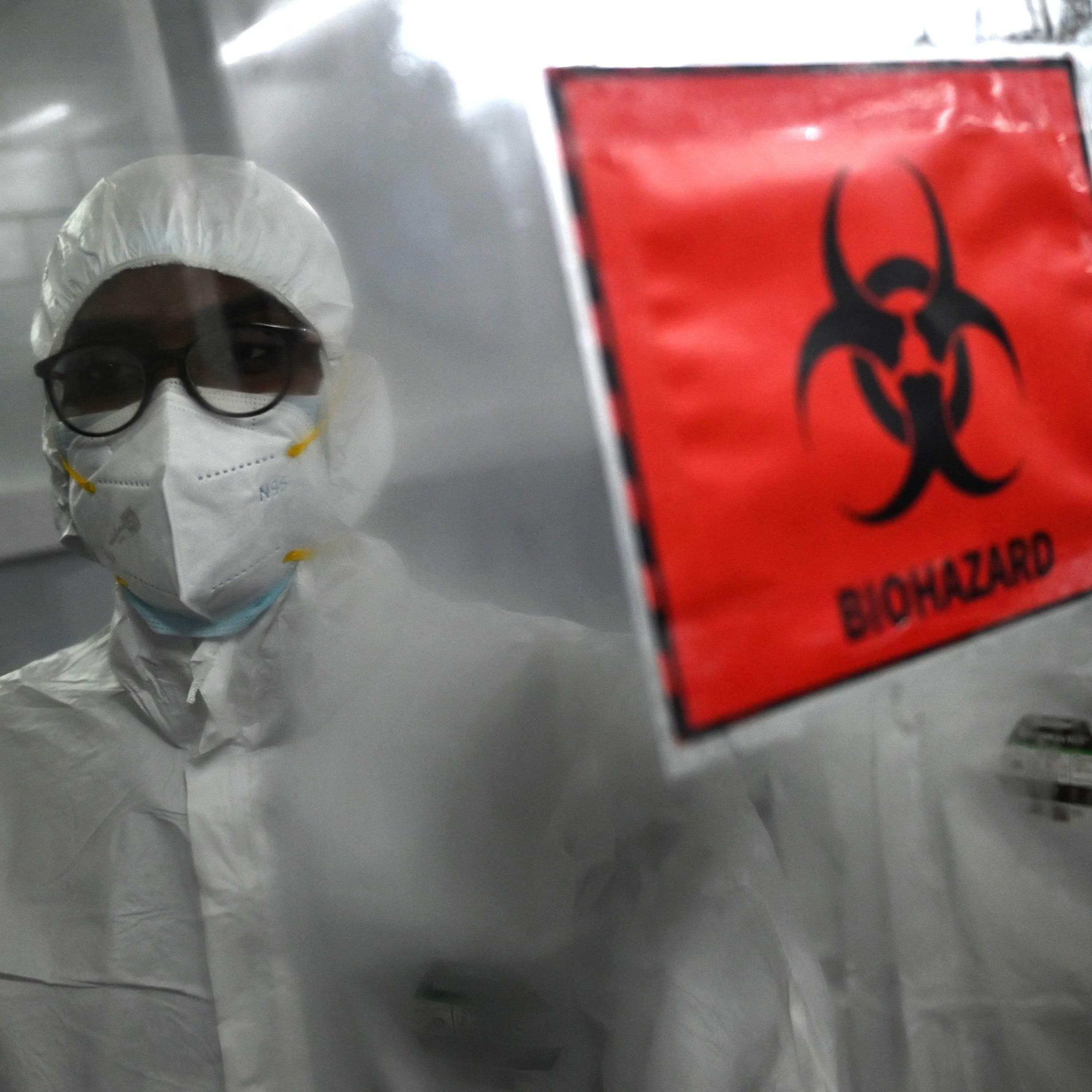
In his annual speech on threats to the nation, Sir Ken McCallum, the head of the UK’s intelligence service, MI5, warned that AI had the potential to ‘change the stakes’ on existing and even new bioweapons. To find out why, and how, Ian Sample speaks to Dr Tom Inglesby, director…
20 Oct 15 min

Is your boss watching you? The rise of AI surveillance at work

Workers have always been monitored by their bosses, first through output targets, and then via computer software labelled ‘bossware’. But AI is transforming the capabilities of these systems, processing huge volumes of data to provide minute-by-minute accounts of activity, and productivity. To find out more, Ian Sample hears from UK…
15 Oct 17 min