Is it time for a complete overhaul of car wreck rescue techniques?

Loading player...
For decades, the absolute priority when rescuing victims after traffic accidents has been to minimise movement of the spine. Emergency services go to great lengths to keep the patient still while they are cut free from the wreckage, because a shift of just a millimetre could potentially lead to the person needing to use a wheelchair. Or at least, that’s what firefighters used to think. Now, thanks to new research using simulated accident rescues, that wisdom is starting to change. Anand Jagatia speaks to the Guardian’s science correspondent, Linda Geddes, and emergency medicine consultant Dr Tim Nutbeam about the findings, and what they mean for survivors of motor vehicle collisions.. Help support our independent journalism at theguardian.com/sciencepod

2 Aug 2022 English United Kingdom Science · Nature

Other recent episodes

Perimenopause is everywhere. How do you know if you’re in it?

Perimenopause has become a hot topic, with celebrities sharing their experiences and doctors offering tips and advice online. But despite the benefits of growing awareness, a rising number of women are now encountering misinformation about treatments such as HRT. Madeleine Finlay hears from Dr Paula Briggs, a consultant in sexual…
27 Oct 15 min

Elizabeth Holmes is back in the spotlight: why can’t we look away?

You Can See Everything, a documentary about the disgraced biotech company founder Elizabeth Holmes, has enjoyed a record-breaking opening in the US. It is a testament to how fascinated we remain by the convicted fraudster, but what is behind the enduring appeal? US technology editor Blake Montgomery tells Madeleine Finlay…
22 Oct 17 min

‘These risks are real’: the threat of AI bioweapons

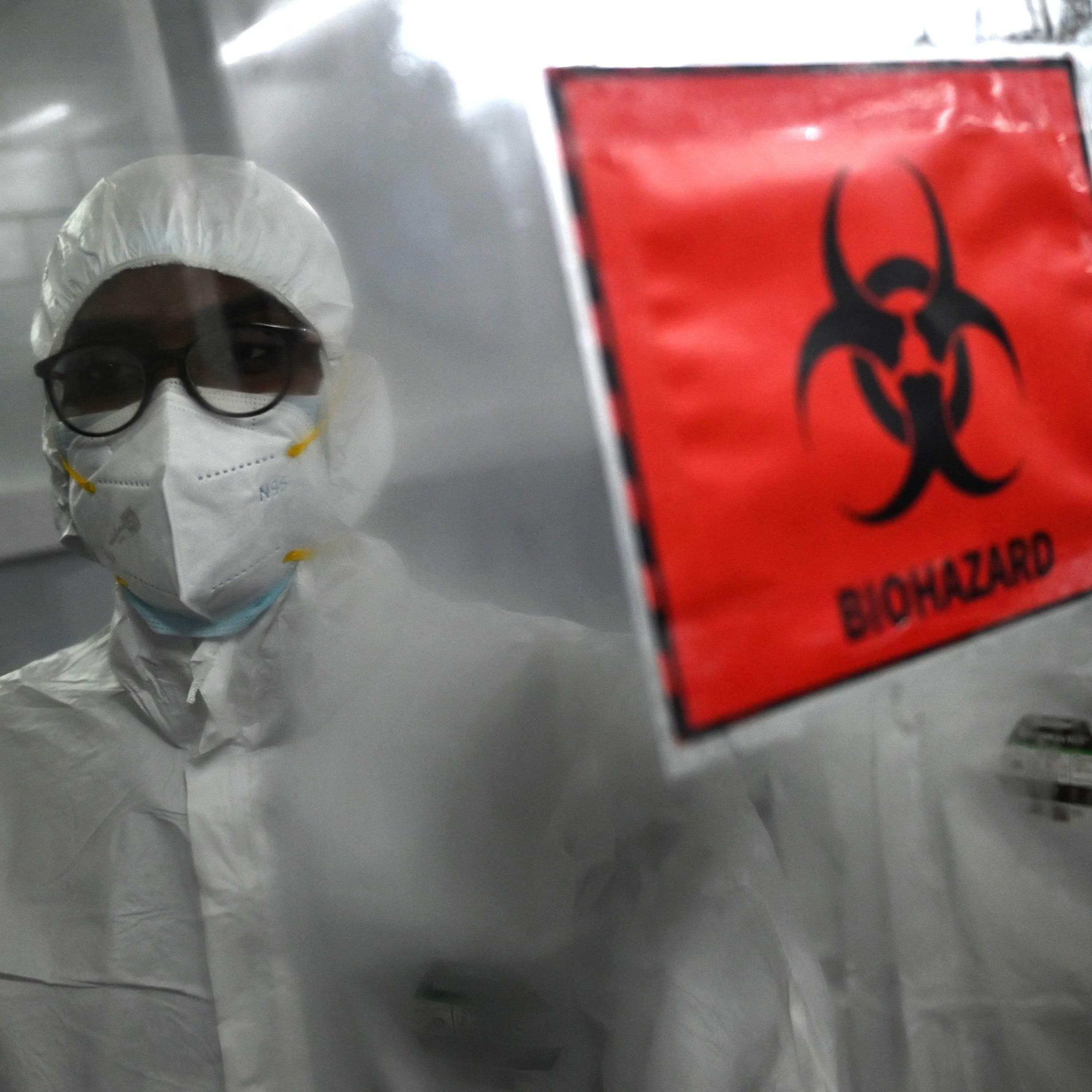
In his annual speech on threats to the nation, Sir Ken McCallum, the head of the UK’s intelligence service, MI5, warned that AI had the potential to ‘change the stakes’ on existing and even new bioweapons. To find out why, and how, Ian Sample speaks to Dr Tom Inglesby, director…
20 Oct 15 min

Is your boss watching you? The rise of AI surveillance at work

Workers have always been monitored by their bosses, first through output targets, and then via computer software labelled ‘bossware’. But AI is transforming the capabilities of these systems, processing huge volumes of data to provide minute-by-minute accounts of activity, and productivity. To find out more, Ian Sample hears from UK…
15 Oct 17 min